Is there anything more universally adored and worn than denim? This humble fabric has climbed the ranks from workwear to fashion staple, embodying everything from rebellion to refined chic. It’s fascinating how a simple cotton weave, originally designed for durability, has woven itself into the very fabric of our lives (pun intended). From its rugged roots in the American West to its presence on catwalks in Paris, denim’s journey is nothing short of iconic.
Denim’s rise to fame wasn’t just about practicality. Sure, it was tough enough for miners during the Gold Rush, but it was the cultural shifts that truly propelled it into legend status. Think James Dean in “Rebel Without a Cause” or the hippie movement of the ’60s. Denim became a symbol of youth, rebellion, and ultimately, self-expression. Today, it’s hard to imagine a wardrobe without at least one pair of jeans, and that’s saying something for a fabric that started out as workwear.
Crafting denim: from cotton to blue gold
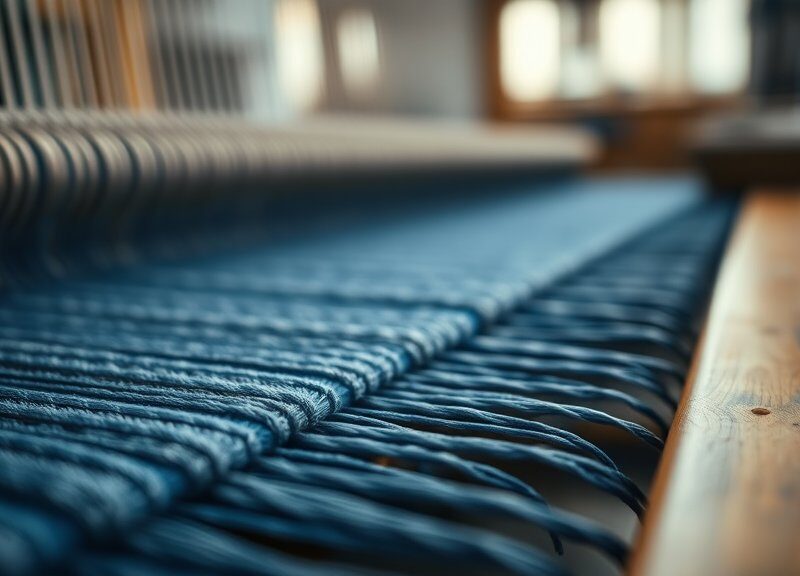
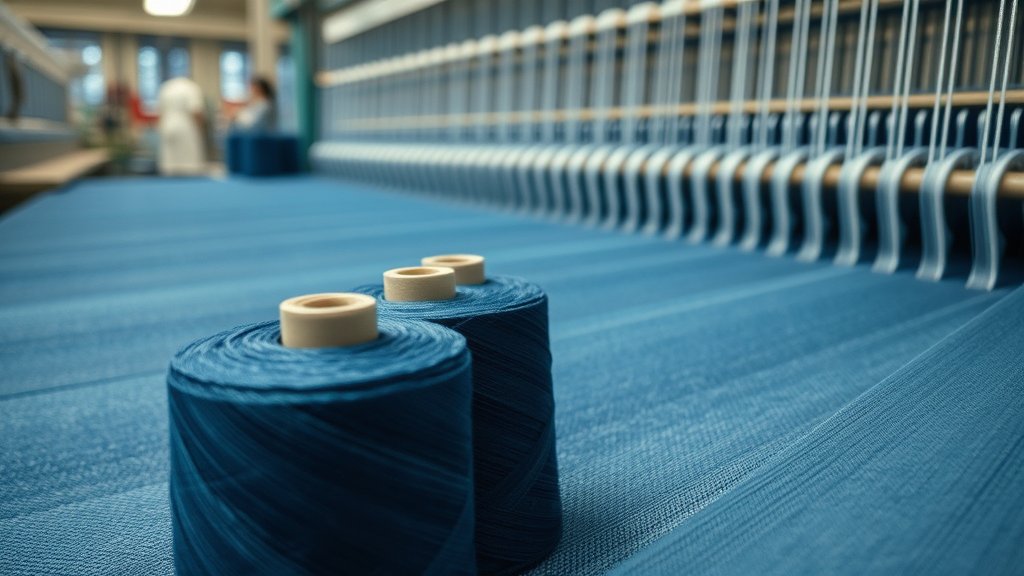
The journey from cotton plant to your favorite pair of jeans is a meticulous process that involves a lot more than just a bit of dye and some thread. It starts with spinning cotton yarn, which is then dyed—often with natural indigo. This dyeing process is what gives denim fabric its signature blue hue. The yarns are woven together in a twill pattern, creating that distinctive texture we all know and love.
But it doesn’t stop there. After weaving, the fabric is washed to achieve different textures and shades. Ever wondered why some jeans have that perfectly worn-in look straight off the rack? That’s thanks to various treatments like stone washing or sandblasting. Finally, the denim is cut and stitched into garments. Each step is crucial in creating the perfect pair of jeans that are not only stylish but also durable.
Jeans through the decades
Oh, the stories denim could tell! In the 1950s, jeans were all about rebellion—think Marlon Brando and James Dean making them a must-have for every teenager with an edge. The 1960s and ’70s saw denim become a canvas for self-expression with bell-bottoms and embroidered patches during the counterculture movements. Fast forward to the ’80s, and you’ve got acid wash and high-waisted jeans defining the era. The ’90s brought grunge with its baggy silhouettes, while the 2000s had us all in low-rise jeans (seriously, what were we thinking?).
Today, denim is as versatile as ever. Skinny jeans, mom jeans, distressed styles—you name it. It’s fascinating how each decade puts its own spin on this timeless fabric. And let’s not forget how brands have innovated over time with sustainable practices and new fabrics like stretch denim that offer both comfort and style.
The business of denim today
The denim industry today is a multi-billion dollar behemoth. Gone are the days when Levi’s ruled supreme; now there’s a plethora of brands offering everything from budget-friendly options to luxury designer jeans. What’s interesting is how brands have adapted to changing consumer preferences. Sustainable practices are no longer just a nice-to-have; they’re expected. Brands are now using organic cotton, recycled materials, and water-saving technologies in their production processes.
Moreover, fast fashion has made denim more accessible than ever before. You can find a decent pair of jeans at virtually any price point these days. But this accessibility comes with its own set of challenges, particularly around ethical production practices and environmental impact. It’s a balancing act between meeting consumer demand and ensuring sustainability.
From factory to store: the wholesale journey
The wholesale journey of denim is quite an intricate dance involving numerous steps before those beloved jeans hit store shelves. It all starts at fabric wholesale suppliers like Knipidee International who deal in bulk quantities of denim fabric among other textiles. These fabrics are then bought by manufacturers who transform them into wearable art.
The manufacturers send samples to retailers who decide what styles will grace their stores in the coming season. This part of the process involves trend forecasting and understanding consumer preferences—a bit of fashion alchemy if you will. Once selections are made, it’s back to the factories where mass production begins.
Finally, these finished products are shipped off to stores around the world where they await eager consumers ready to make them their own. It’s a journey that involves numerous players but results in that magical moment when you find your perfect pair of jeans.