Ah, denim. A fabric synonymous with ruggedness and casual style, yet its roots are as humble as they come. Originating from the French city of Nîmes (hence ‘de Nîmes’ or ‘denim’), this durable fabric was initially used by workers who needed something tough enough to withstand the daily grind. Fast forward a few decades, and denim has evolved into a cultural icon, adorning everyone from cowboys to rock stars.
But how did denim go from workwear to high fashion? It’s all about adaptability. Denim’s ability to morph into various styles and withstand the test of time is what makes it evergreen. Think about it: from bell-bottoms in the ’70s to skinny jeans in the 2000s, denim has been there, adapting, evolving, and yet remaining fundamentally the same. It’s like that old friend who changes with time but remains comfortingly familiar.
The intricate process of fabric production
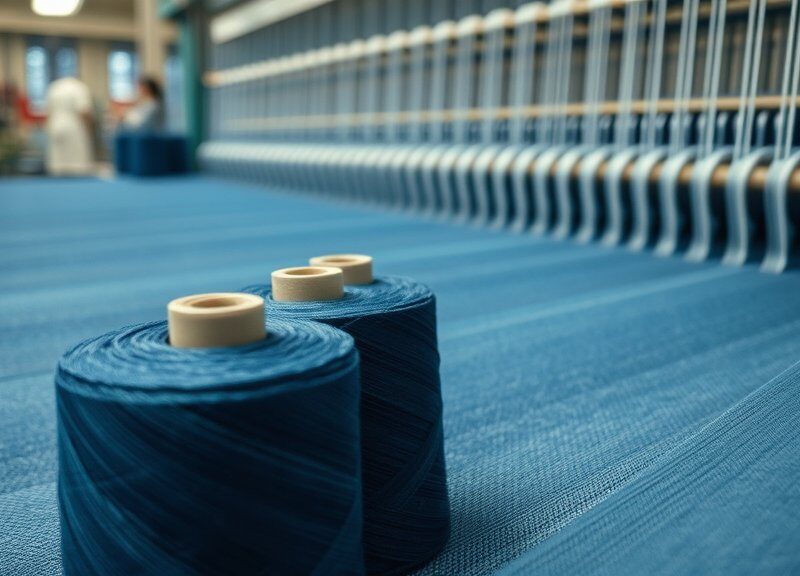
Ever wondered what it takes to turn a fluffy cotton boll into your favorite pair of jeans? The journey is nothing short of fascinating. It begins in cotton fields where the raw material is harvested and spun into yarn. This yarn then goes through a dyeing process, often involving natural indigo, that gives denim its characteristic blue hue.
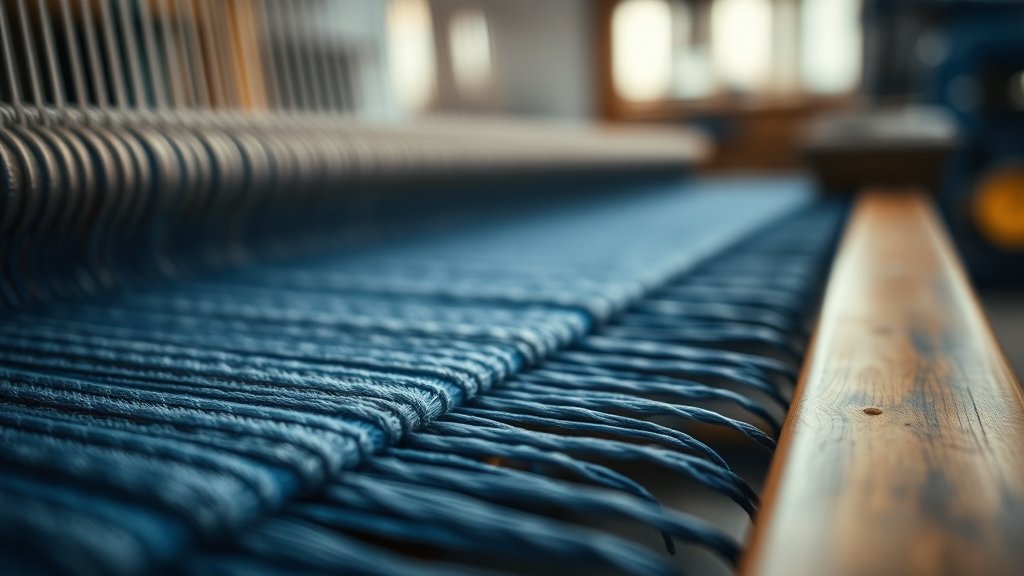
The magic really happens in the weaving stage. Here, dyed yarns are woven together with undyed yarns in a twill pattern, creating that diagonal ribbing unique to denim fabric. After weaving, the fabric undergoes various treatments and washes to achieve different looks and textures. From stone-washing to distressing, these processes add character to the fabric before it’s finally cut and sewn into garments.
Evolution of denim styles and trends
Denim fashion has seen more twists and turns than a soap opera plot. Starting as sturdy overalls for miners and laborers, denim transitioned into mainstream fashion thanks to Hollywood’s cowboy films in the mid-20th century. Who can forget James Dean’s rebellious look in “Rebel Without a Cause”? That image alone skyrocketed denim’s cool factor.
The ’70s brought us bell-bottoms and high-waisted jeans, while the ’80s introduced acid wash and ripped jeans — a trend that bafflingly remains popular today. The ’90s had their baggy jeans phase, which then gave way to the skinny jeans of the 2000s. Each era added its own twist, proving that denim is not just a fabric but a canvas for creativity.
How wholesale markets shape the denim industry
Wholesale markets play a pivotal role in shaping the denim industry. They are the unsung heroes behind those trendy jeans hanging in your closet. These markets act as intermediaries between manufacturers and retailers, ensuring a steady supply chain that keeps the fashion world ticking.
Key players in these markets include fabric wholesale suppliers like Knipidee International, who specialize in a wide array of fabrics including denim. Their expertise ensures that retailers have access to high-quality materials at competitive prices. This not only benefits consumers but also fosters innovation within the industry by making new fabric technologies more accessible.
Sustainability and the future of denim
The future of denim is increasingly leaning towards sustainability. With growing awareness about environmental impact, many companies are adopting eco-friendly practices. From using organic cotton to implementing water-saving dyeing techniques, the industry is making strides towards reducing its carbon footprint.
Recycling is another big trend. Brands are now turning old jeans into new ones, creating a circular economy that minimizes waste. The use of recycled materials not only conserves resources but also adds an intriguing narrative to each piece of clothing.
As we look ahead, it’s clear that denim will continue to evolve. Whether it’s through innovative designs or sustainable practices, this timeless fabric will keep adapting to meet the needs of future generations while retaining its iconic status.